
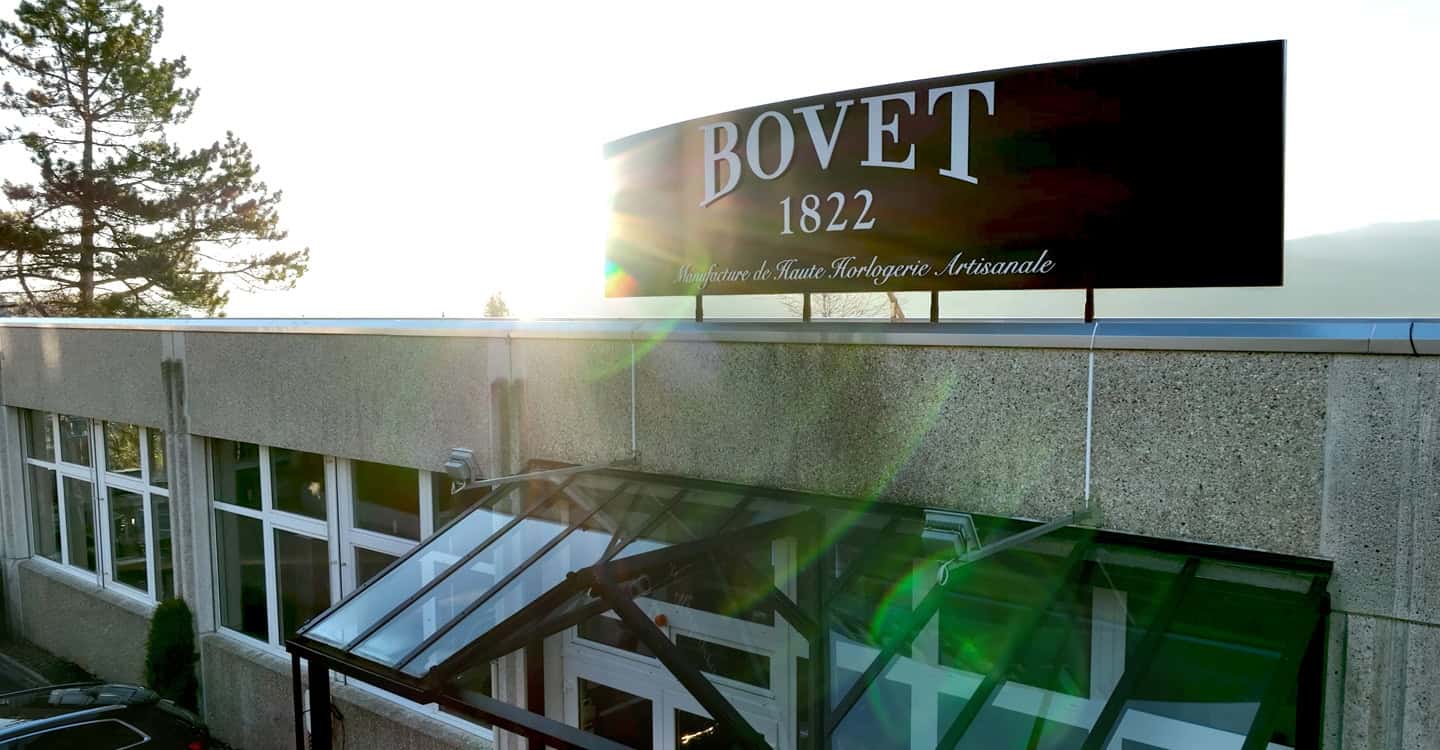
The House of BOVET is unique in the world of watchmaking. Producing only around 1,000 timepieces a year, BOVET crafts more than 95% of the components that go into them, including the hairspring and regulating organ – the beating heart of every mechanical watch. This level of vertical integration is almost unheard of for a company of this size, yet it is central to BOVET’s very reason for being. Welcome to the world of BOVET.
This heritage from the 1800s runs through everything BOVET does today, with a focus on Swiss handcraft and the use of both traditional and contemporary métiers d’art (decorative arts). Each timepiece is conceived as a work of art that unites technical innovation with artisanal excellence.
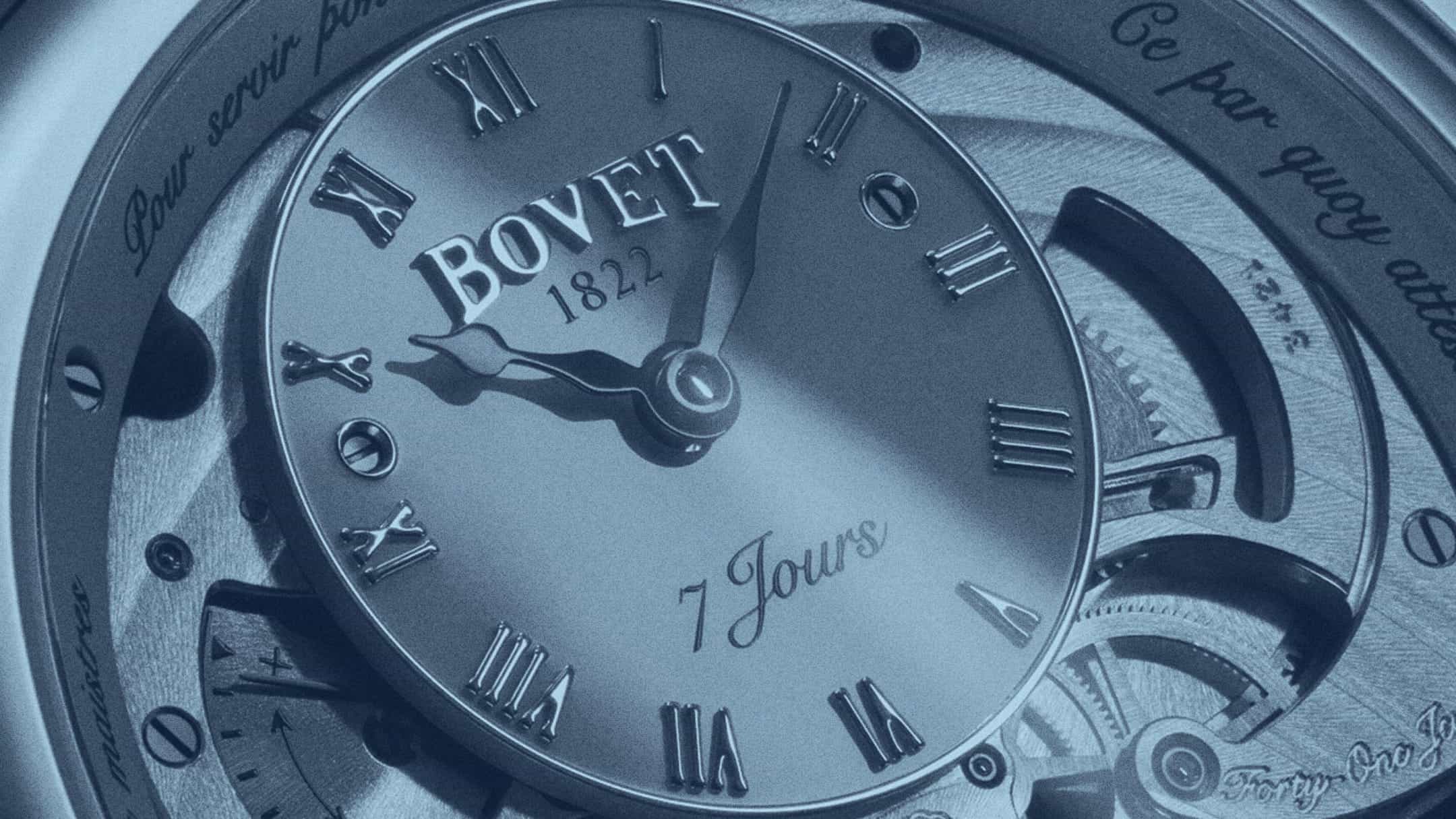
BOVET was founded in 1822 between Fleurier, Switzerland, London, England, and Guangzhou, China, with a single ambition: to craft the world’s most beautiful timepieces. In the 1800s, this meant highly decorated pocket watches adorned with enamel miniature painting, cloisonné, hand‑engraving, lacquer inlay, delicate pearl‑setting, guilloché, flinqué enamel, and many other refined decorative techniques.
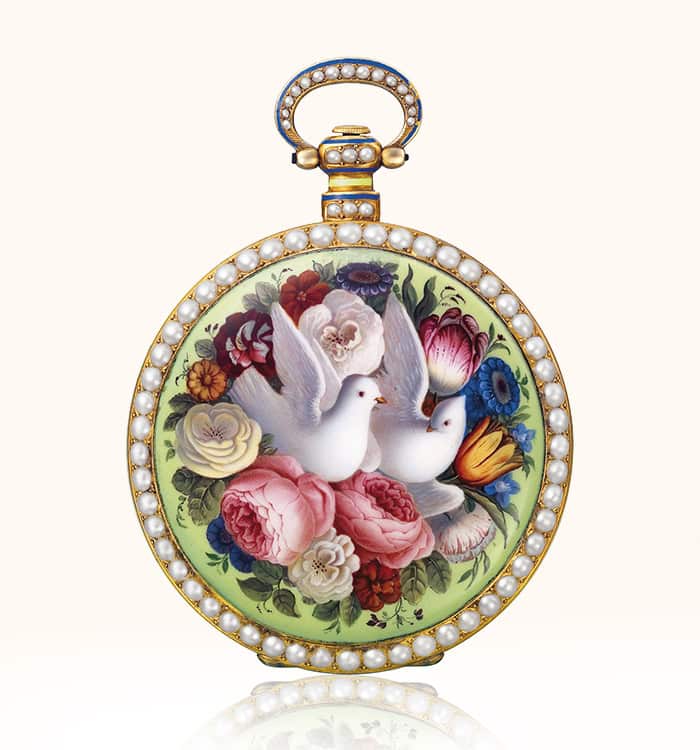
In 2001, Mr. Pascal Raffy, a pharmaceutical entrepreneur and passionate watch collector, acquired the House of BOVET with the intention of restoring it to its former glory. One of the first independent maisons to invest heavily in métiers d’art, BOVET has been at the forefront of combining decorative arts with genuine watchmaking innovation.
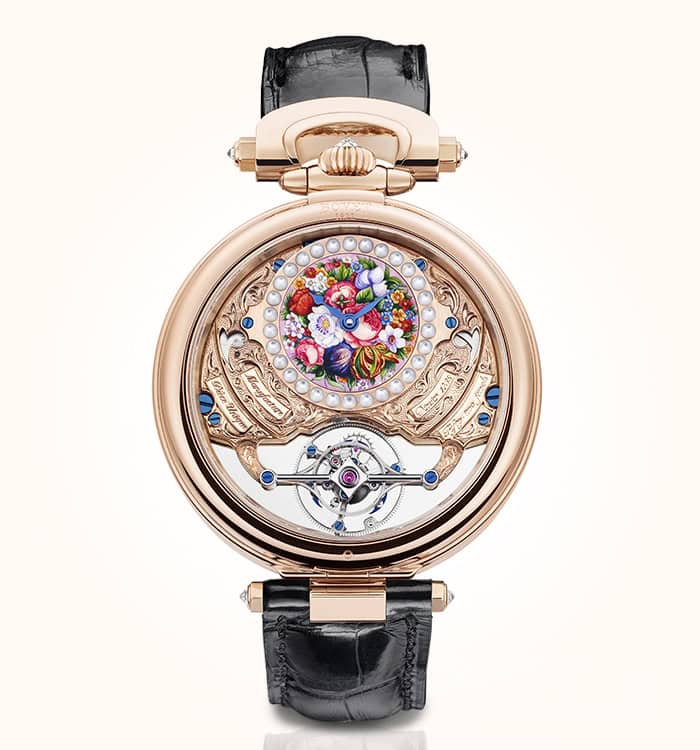
In 2006, the owner of BOVET’s external supplier of tourbillon movements decided to retire and approached Mr. Raffy about acquiring the manufacture. Seeing the opportunity to make BOVET autonomous and independent from external suppliers, Mr. Raffy immediately accepted.
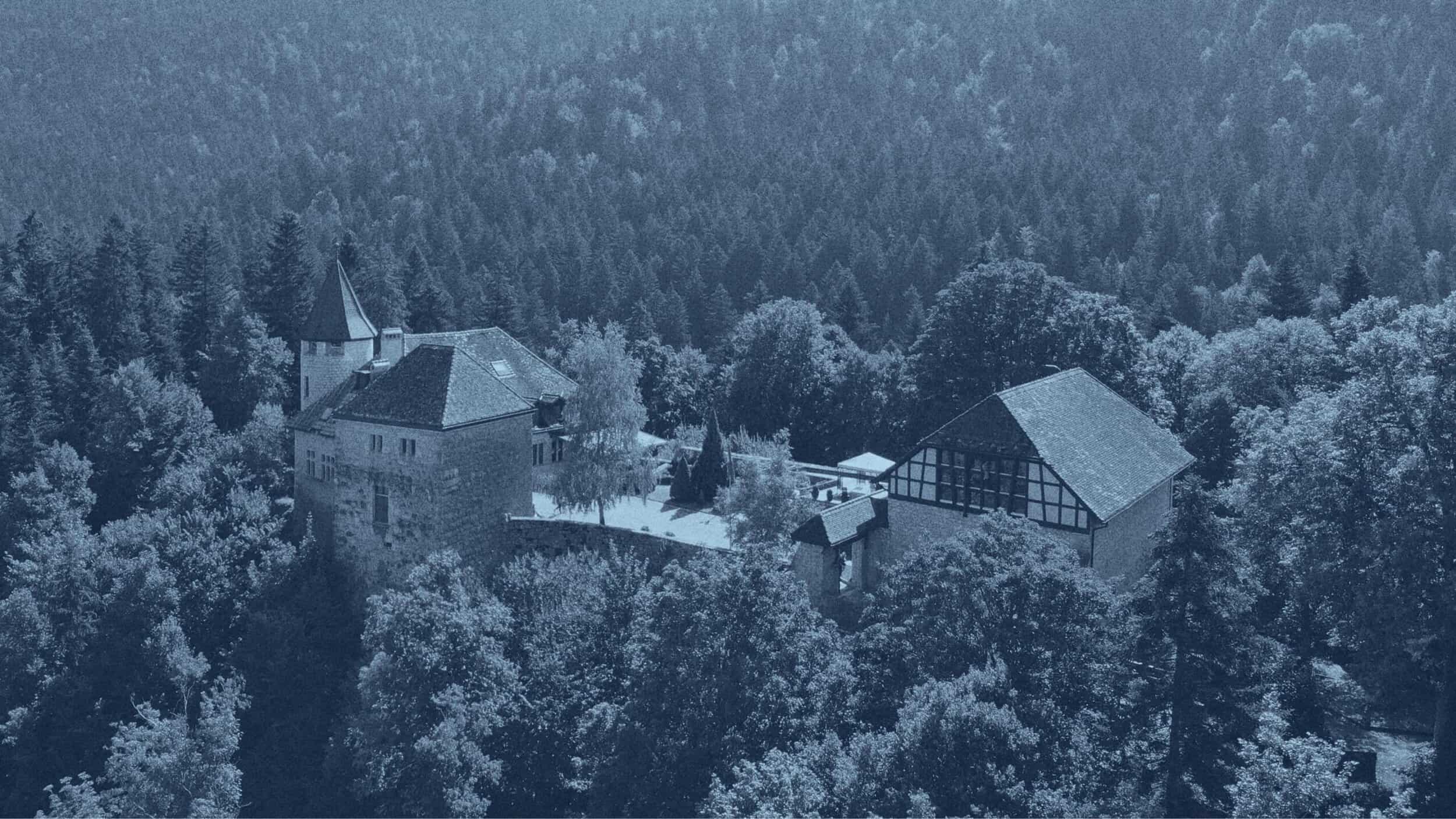
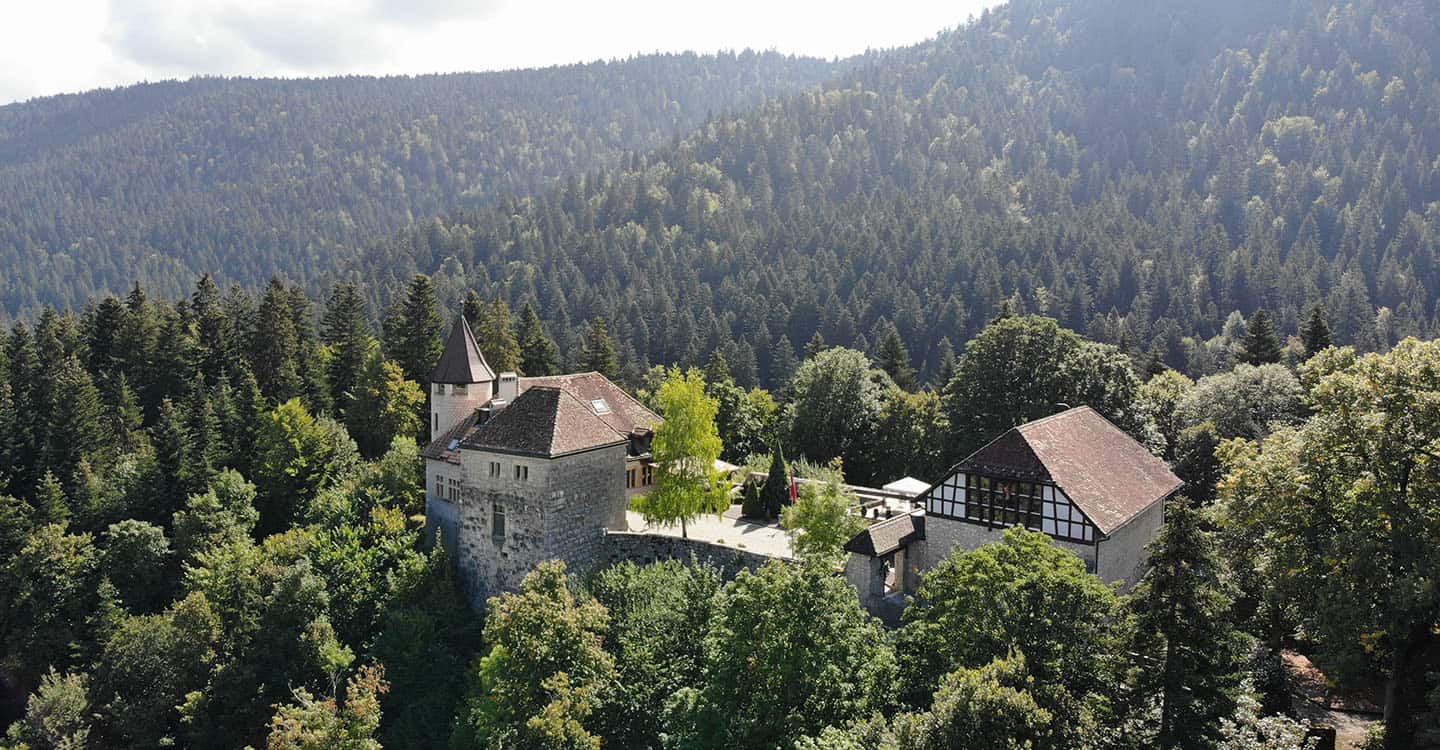
That same year, the Canton of Neuchâtel invited Mr. Raffy to acquire the 14th‑century Château de Môtiers, in which the Bovet family had lived for more than a century. The château became both a symbol and a setting for BOVET’s commitment to authenticity and heritage.
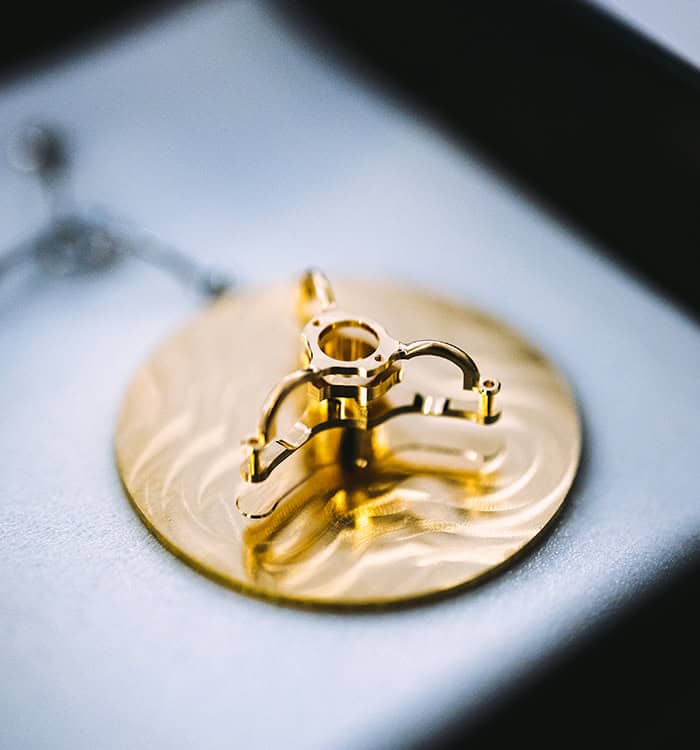
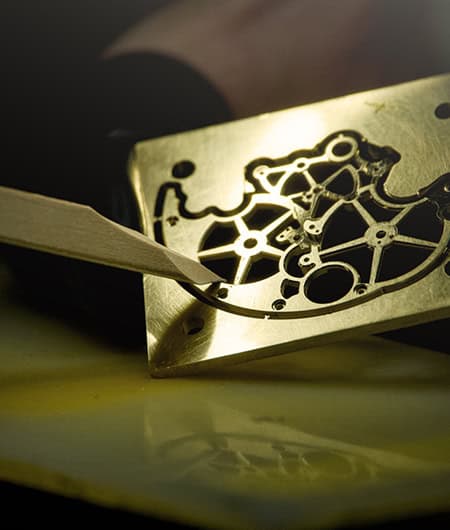
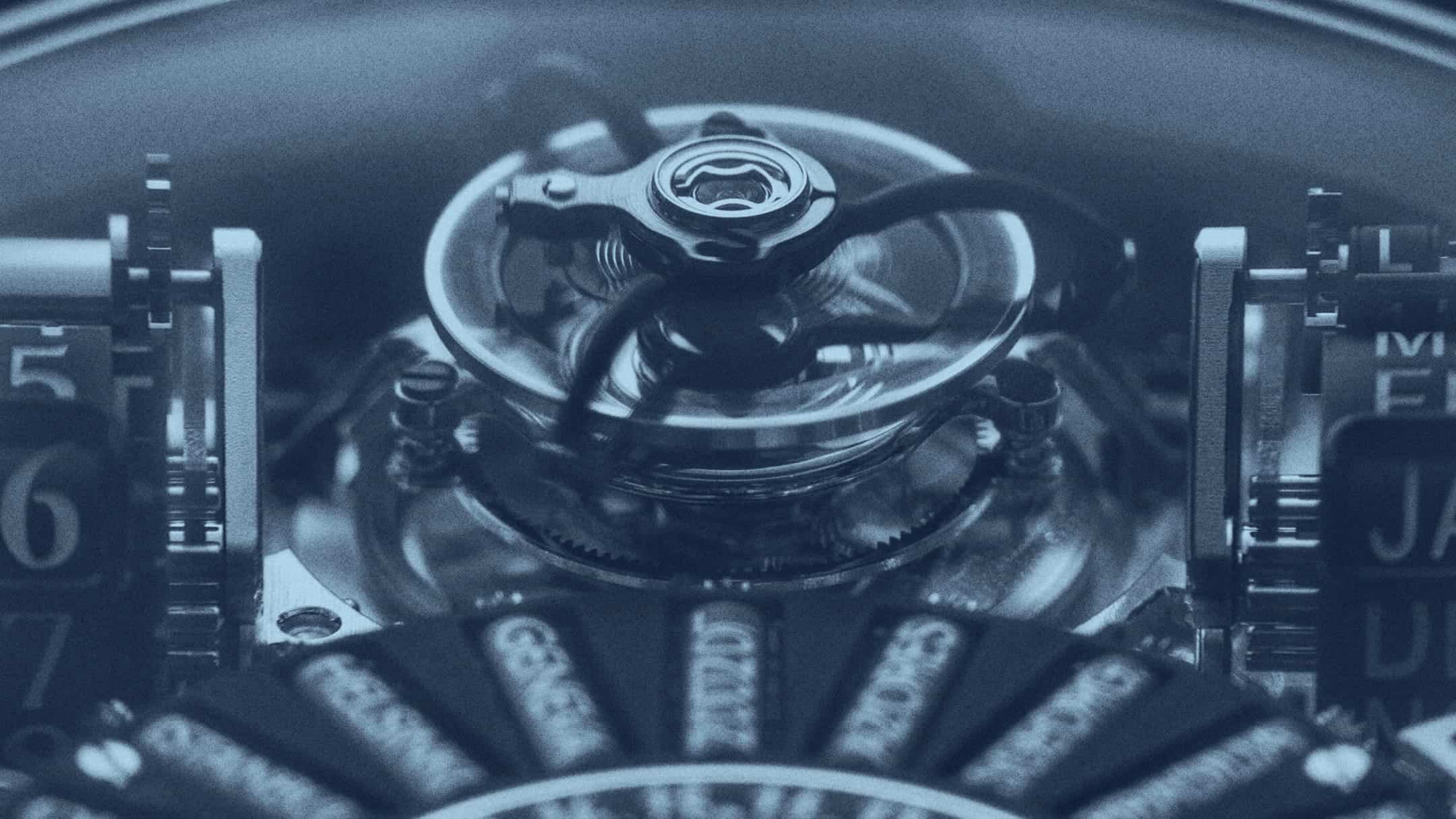
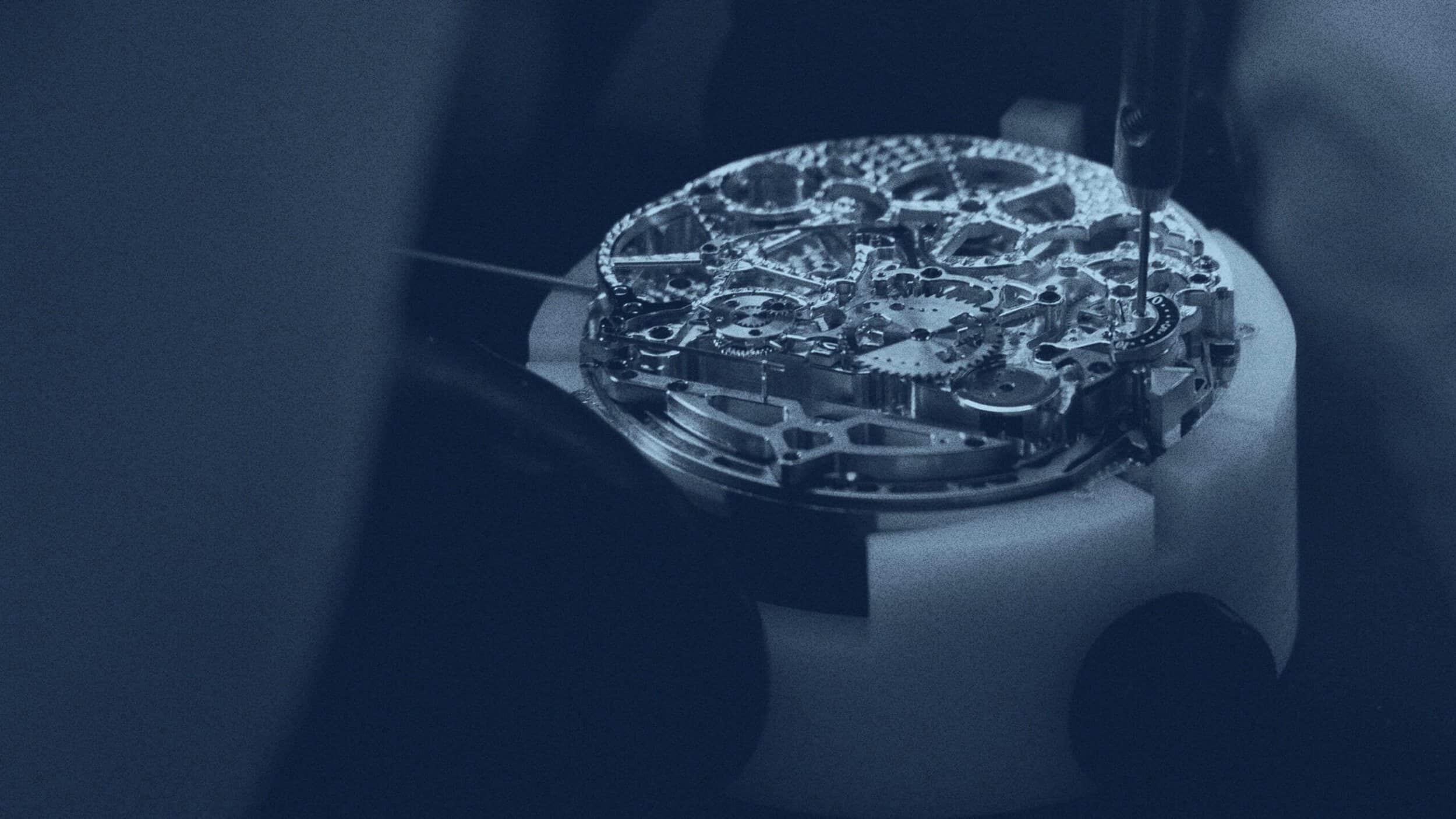
In its manufacture, the Maison produces movements, dials, hands, certain cases, balance springs, and regulating organs. BOVET now creates more than 95% of the components that go into its timepieces, a level of vertical integration that is extremely rare in watchmaking.
The Castle houses BOVET’s headquarters, as well as its Final Assembly Atelier, after sales service, meeting rooms, and the BOVET Museum.
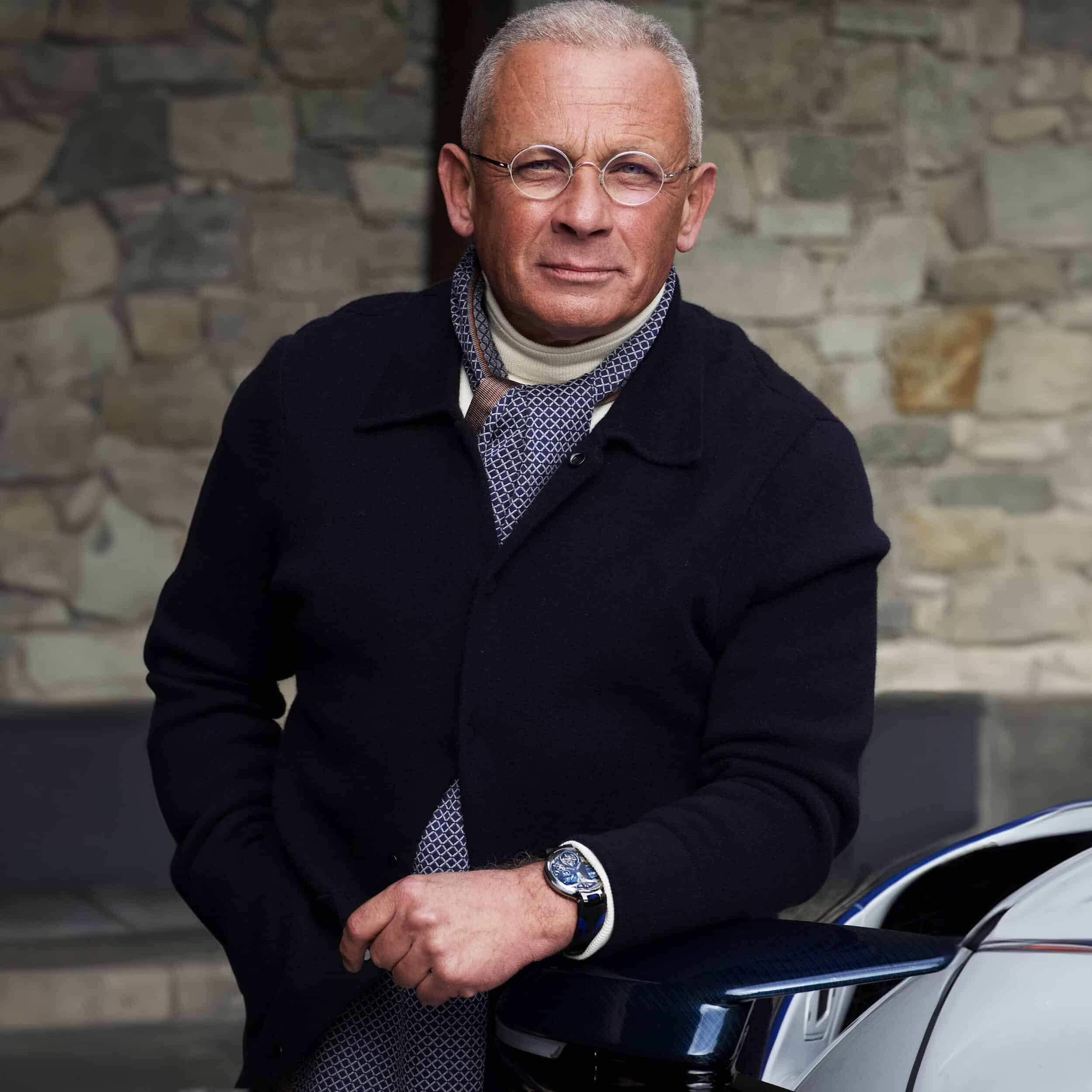
Mr. Raffy is the sole owner and CEO of BOVET, and the creative force behind all of the Maison’s timepieces. Every design begins with him. He is not a watchmaker by training, which is in fact an advantage: he is not constrained by what is considered “impossible” and approaches each creation from a collector’s perspective, focusing on beauty, comfort, ease of use, and daily wearability.
Family has always been at the heart of BOVET, from the original Bovet family to Mr. Raffy’s own. The Miss Audrey collection takes its name from his eldest daughter, Audrey, who serves as a Vice President of the Maison. The Miss Alexandra is named after his youngest daughter, currently at university and destined to join BOVET upon graduation. The patented Amadeo system is named after his son, Amadeo, who is also still pursuing his studies. All of Mr. Raffy’s children participate in reviewing designs and bringing a younger perspective to BOVET’s creations, helping to inspire recent introductions featuring intriguing colors, smaller case sizes, increased use of Super‑LumiNova, and more.

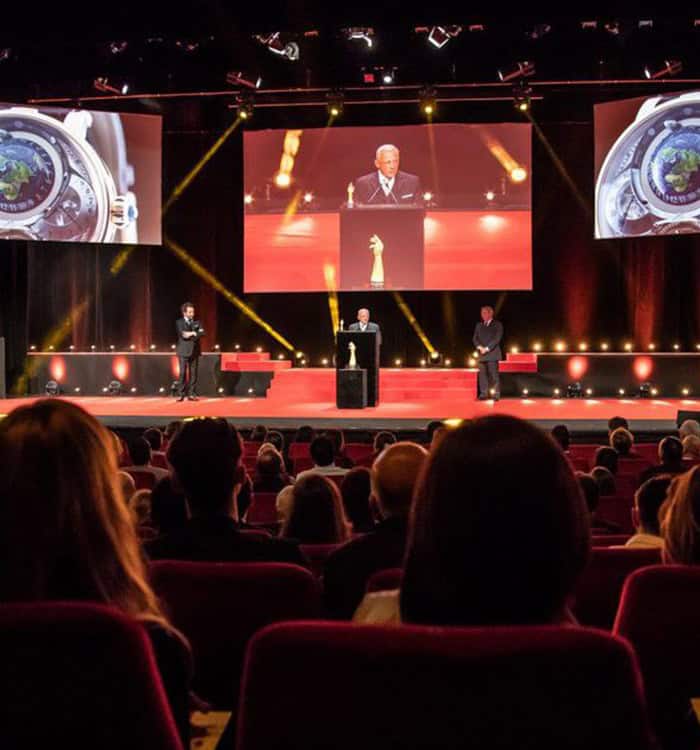
Since 2006, BOVET has been honored with more than 70 international awards. These include six Grand Prix d’Horlogerie de Genève (GPHG) prizes in the eight years from 2018 to 2025, among them the GPHG’s highest distinction in 2018 for the Récital 22 Grand Récital. The Maison has also been named “Brand of the Year,” “Best Independent Watch Brand,” and “Watch of the Year” on multiple occasions. Mr. Raffy himself has been recognized as “Personality of the Year in Watchmaking” and has received several lifetime achievement awards for his contributions to watchmaking and métiers d’art.
Since 2010, BOVET has enjoyed an official partnership with Italian design house Pininfarina. In a world where car‑and‑watch collaborations are often short‑lived, BOVET values long‑term relationships, and this creative dialogue continues to flourish. The shared brief is simple yet demanding: to capture the essence of BOVET design and reinterpret it in ways the Maison alone would never imagine.
In 2020, Rolls‑Royce introduced its new Coach Built program with the Boat Tail project. BOVET was privileged to serve as the exclusive timepiece partner, creating two entirely bespoke Amadeo‑system timepieces that can be mounted into the Boat Tail’s dashboard—the first time such a feat has been achieved. The three‑year project required solving challenges of vibration, noise, temperature, crash‑testing, and more, proving that true haute horlogerie can thrive even in the demanding environment of an automobile.
BOVET’s vision has not changed since 1822: to create the most beautiful and innovative timepieces the world has ever seen. Under Mr. Raffy’s stewardship, the Maison remains committed to advancing watchmaking from both technical and aesthetic perspectives, crafting timepieces that are not only precise instruments, but timeless works of art.
BOVET’s vision has not changed since 1822: to create the most beautiful and innovative timepieces the world has ever seen. Under Mr. Raffy’s stewardship, the Maison remains committed to advancing watchmaking from both technical and aesthetic perspectives, crafting timepieces that are not only precise instruments, but timeless works of art.